History of InGen
In 1979, Stanford geneticist Norman Atherton and flamboyant venture capitalist John Hammond founded International Genetic Technologies (InGen). Utilising $850 million of foreign venture capital, the company initiated a secret program of genetic research at an island facility near Costa Rica.
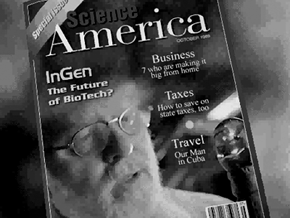
InGen scientists retrieved DNA from dinosaurs of the Jurassic and Cretaceous periods and cloned them to produce living examples of several ong-extinct animal species. This revolutionary research ranked with the atomic bomb as one of the most startling scientific achievements of the 20th century. Hammond's intention was to display them in an animal preserve, a "Jurassic Park".
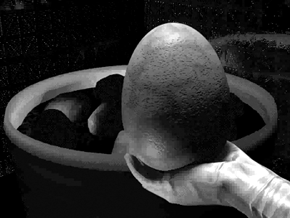
Despite the scientific successes, a series of accidents and betrayals resulted in the overall failure of the project and the downfall of the InGen Corporation. The first major setback occurred during a safety inspection of the park in 1989, when several adult dinosaurs escaped from confinement. Hammond was forced to file for Chapter 11 bankruptcy and attempted to conceal the events from public knowledge.

Then, during a 1997 InGen mission intended to reclaim surviving dinosaurs for exhibition, a Tyrannosaurus Rex was accidentally set free in San Diego, California. Subsequently, John Hammond published a memoir, Jurassic Time, in which he told the story of InGen's rise and fall. The work was initially regarded as fiction since few hard facts about the events at Jurassic Park and the research facility, Site B, ever reached the public.